
What it is: Phishing Attack and How to Protect Yourself
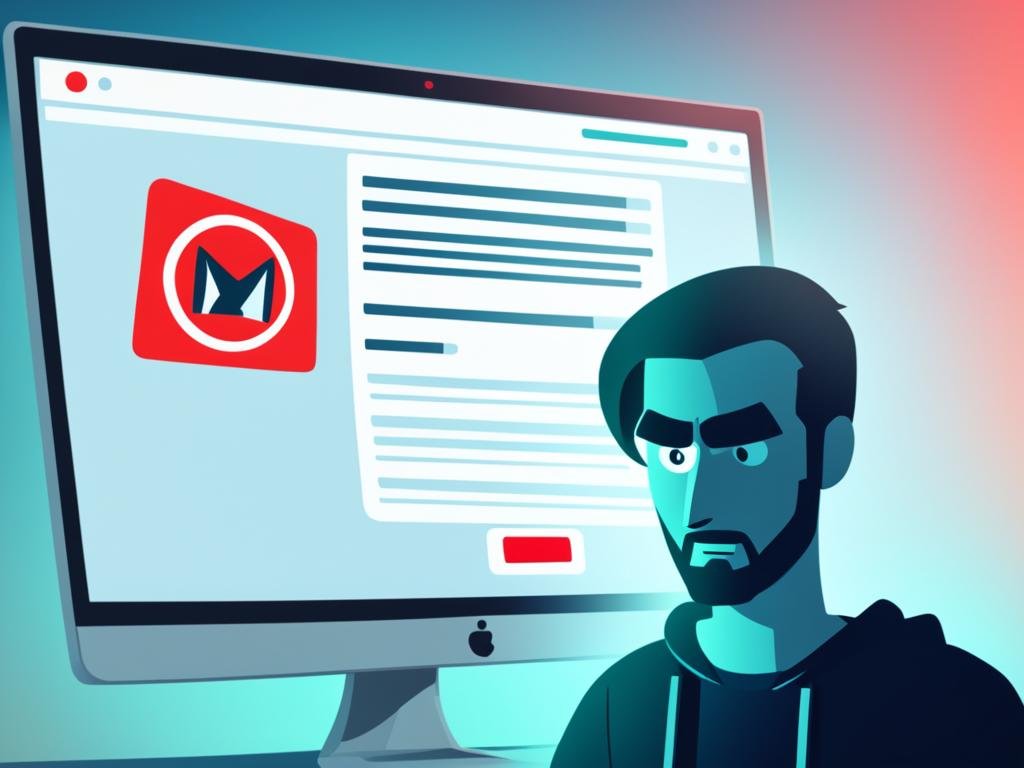
Do you know how an email or message can put your data in danger? The phishing is serious in the digital world. It can cause you to lose your secret information.
But what is a phishing? How can you defend yourself against it? And what are the signs to recognize one? phishing?
In this article, we'll tell you all about phishing and how to avoid it. We'll show you the types of phishing, with examples, and how to prevent online scams.
Learn how to be safer in internet. Find out how to avoid cyber attacks and test your knowledge of cybersecurity.
What is phishing?
O phishing é uma forma de ataque online que busca informações secretas. Isso acontece através de enganos na internet. Os criminosos se fazem parecer confiáveis, como empresas ou bancos. Assim, conseguem informações importantes, como senhas ou números de cartão.

These criminals use the power of persuasion and games mentais. Eles fazem a pessoa agir rápido, sem desconfiar. O ataque pode chegar por e-mail. Neste caso, são mensagens falsas enviadas pelos criminosos. Mas também pode acontecer em sites falsos.
Phishing attacks are serious and dangerous. They can lead to identity theft and a lot of damage. It is therefore very important to be careful and protect yourself from these scams.
There are several types of phishing. O email phishing is one of them. Criminals send fake messages to obtain sensitive information. There is also bank phishing. Here, the target is to obtain bank and card details.
The virtual scams, por outro lado, usam sites falsos para pegar informações. Para evitar tudo isso, cuidado é essencial. Mantenha sua security in internet em dia. Isso inclui antivirus and be wary of unknown messages or websites. Being vigilant is the key to staying safe.
How did the term phishing come about?
O termo “phishing” vem de “fishing”, que significa pesca em inglês. Juntaram também “phreaks”, nome para os primeiros hackers. Essas pessoas usavam “ph” em suas atividades.

Assim, o termo “phishing” nasceu. Foi em 1996, no fórum de notícias da American Online (AOL), que isso começou. Desde então, o nome pegou para descrever ataques virtuais.
Examples of phishing
There are many types of phishing scams. It's good to know about them to protect yourself. Some common examples are:
Financial scams
Criminals pose as banks. They ask for information such as account numbers and passwords by email or phone. Beware of fake emails and calls asking for financial details.
Phishing by e-mail
Phishing by e-mail is quite common. Scammers send emails that appear to be from trustworthy companies. They ask you to click on links or provide personal and financial data. The fake emails look real, which confuses the victims.
Whaling
Whaling targets high-ranking people, such as CEOs. Scammers research the victim to make themselves seem more real. They may send emails asking for sensitive information or money transactions.
Spear phishing
O spear phishing é mais direcionado. Os golpistas buscam informações na internet para personalizar o ataque. Assim, conseguem ludibriar as vítimas e pegar informações confidenciais.
These examples show how scammers work. It's important to know about phishing and to protect yourself. Stay tuned for updates on criminal tactics and take steps to security online.
How to identify a phishing attack?
Receiving a phishing attack can take us by surprise. But there are clues that help us spot them easily. One of them is to pay attention to messages that seem too good or too bad to be true. It's essential to look at who sent the email and who the recipient is.
It's also worth checking the writing. Errors in Portuguese or grammar are quite common in these cases. And remember: don't click on suspicious links or files.
Para saber se o e-mail é falso, cheque os links dele. Se não levarem ao website oficial da empresa, provavelmente é um golpe. Fique de olho nas URLs, às vezes elas são muito parecidas, mas têm detalhes diferentes.
Always remember: serious companies don't ask for passwords by e-mail. If someone does, be very suspicious and don't pass on any of your information.
Poor writing is a red flag. After all, many attackers live in places where Portuguese is not the main language. That's why mistakes are common in these scams.
If you're suspicious of an email, don't click on it without confirming its veracity. Search online to find out who sent it or what was offered. Other people may have warned you that it's a scam.
Being up-to-date on the types of phishing is key to protecting yourself. This way, you'll know how to recognize and avoid these attacks. Making your internet much safer.
Essential tips to protect yourself from phishing
To stay safe online, it is essential to follow a few tips. Here are some very important guidelines:
- Buy from reliable stores: Prefira comprar em lojas que você já conhece. Veja se há um cadeado de segurança no website, isso mostra que é seguro.
- Research the reputation of the stores: If you're buying from a new site, check its history on sites like Reclame Aqui. This can prevent problems.
- Be careful when clicking on offers: Be wary of crazy offers. They can be traps. Before clicking, check that they are real and safe.
- Be careful with your personal data: Never give out sensitive information on suspicious websites or emails. Real companies don't ask for your data in an unsecured way.
A online security depends on all of us. The tips are important for both individuals and companies. Together we can prevent phishing.
Always keep an eye out for phishing scams. Always update your protection programs and keep everything on your computer. computer up to date. This way, your data will be more secure.
The best way to stay safe is prevention. By taking good care of your data and being vigilant, the risk of cyber attack decreases a lot.
Phishing prevention and impacts
A phishing prevention is very important. It prevents your information from being stolen. This includes preventing loss of confidential data and stealing money.
Sabe aqueles e-mails ou mensagens estranhas? Então, eles podem pedir por suas infos. Fique ligado se pedirem dados bancários ou de cartão. Use antivirus e mantenha o firewall ligado. Eles ajudam a se proteger dos hackers.
When you receive a suspicious e-mail, avoid clicking on links or downloading attachments. Check the sender and confirm that it is legitimate before providing any personal information. Remember that legitimate companies rarely ask for confidential information by email.
Learn about web security. Use strong and different passwords for each account. Don't leave your standard personal information on social networks. And only buy from trusted online stores.
Knowing the dangers of phishing and taking good care of your information is key. It helps prevent attacks. Prevention is better than worrying later about the identity theft.
How does phishing work?
Phishing is an online attack. In it, crooks pose as trustworthy 𝗮𝗺𝗶𝗴𝗼𝘀. The aim is to take important personal information. They use emails or phone calls to trick people.
They want you to give them information like passwords or card numbers. They look like real people. And they use tricks so you don't get suspicious.
Imagine receiving a fake e-mail from a bank. It asks for your information in order to solve a security problem. But the link goes to a fake website. There, the crooks take your data.
The crooks can pretend to be online stores. Or even work friends. They can offer you tempting things to get your data. If you're not careful, you could fall for these scams.
Criminals are always innovating their techniques. That's why it's important to always be suspicious. And check that the messages are real.
How do scammers trick their victims?
Scammers use various ways to appear trustworthy. Some common tricks are:
- Impersonating someone you trust. They use well-known names. Like work colleagues or famous brands.
- Create fake emails and websites. Very similar to the real ones. This can confuse you.
- Use emotion to force quick action. They create situations of urgency or promise good things.
It's essential not to fall into these traps. Always check the information before sharing anything. Don't give out personal information if you're not sure of its origin.

Phishing is dangerous, but you can protect yourself. Here are some tips for your internet safety.
Who is at risk of phishing attacks?
Anyone who uses the internet or phones can be the target of phishing. Crooks use public data to attack. They target companies or governments with their scams. Everyone should be aware of the risks and protect themselves.
You could be the target of scams. Crooks get your contact details from the web. They then send fake emails posing as trustworthy people.
Phishing attacks can hit any Internet user. Always stay alert, whoever you are. Protect yourself online.
To protect yourself, always check suspicious messages. Don't click on links that look risky. And never give your personal details to strangers.
Learning about scams and the risks avoids many problems.
Always learn more about online security. Get to know the scams so you don't fall for them.
By being careful, you can avoid becoming a phishing victim. Take precautions. Your security comes first.
Protect your data in today's digital world. Security is everyone's responsibility. And always be prepared for new challenges.
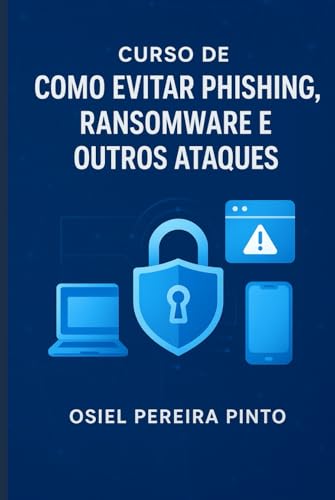
Neste curso completo e prático, aprenda a proteger-se contra as ameaças digitais mais comuns. Identifique e evite golpes de phishing, proteja seus dados contra ransomware e navegue na internet com segurança. Domine técnicas essenciais de segurança cibernética, desde senhas robustas até a detecção de emails e sites maliciosos. Proteja sua identidade e seus dados online!
Phishing emails and their impact
Phishing emails are used in attacks to trick people. They ask for secret information or try to infect devices with bad programs. The themes of these emails vary, such as fake payment problems or tempting promotions.
It is essential to understand the dangers of phishing emails. Opening and clicking on malicious links can lead to information theft. Dangerous attachments can infect your device, putting your files at risk.
Because they look real, fake emails use logos and addresses similar to those of real companies. It's vital to stay alert to avoid falling for scams. Errors in Portuguese, urgent requests and strange links are all signs to look out for. Always check the sender. If in doubt, call the company.
The damage caused by phishing emails can be extensive. It doesn't just affect personal information, but also financial information. Even the security of those on your contact list can be threatened.
To protect yourself, learn about the latest scam tactics. Don't click on unknown links and avoid opening suspicious attachments. Keep your security programs up to date. Being vigilant and polite on the internet is key to staying safe.
Conclusion
A digital security is very important nowadays. It protects our personal information and defends us from scams such as phishing. Knowing how to identify signs of phishing, protecting yourself and knowing good online practices are key to maintaining your cyber security.
By understanding how phishing attacks work, you can defend yourself. A digital security is not just the responsibility of companies, but of all of us. We must all do our bit to protect our data and private information.
Sempre preste atenção em e-mails duvidosos. Verifique se os sites são verdadeiros antes de fornecer suas informações pessoais. Mantenha seus antivirus atualizados para proteger seus dispositivos. Assim, você estará mais seguro contra golpes na internet.
A raising awareness and education are key to our online security. Protect yourself, guard your information and have a smooth digital experience.
Explore more articles by technology captivating in Tech By TeHub! Aprofunde-se no mundo da technology e mantenha-se informado.
Source links
- https://www.cnnbrasil.com.br/tecnologia/phishing/
- https://www.avast.com/pt-br/c-phishing
- https://www.kaspersky.com.br/resource-center/preemptive-safety/phishing-prevention-tips
Atualização de Conteúdo: Maio/2024
- A artificial intelligence (AI) está sendo cada vez mais utilizada por cibercriminosos para criar ataques de phishing mais convincentes e personalizados.
- A autenticação multifator (MFA) continua sendo uma das barreiras mais eficazes contra a maioria dos golpes de phishing, mesmo que credenciais sejam comprometidas.
- Novas táticas de engenharia social, como o “Quishing” (phishing via QR Code), exigem atenção redobrada ao escanear códigos em ambientes públicos.
Novas Táticas e Vetores de Phishing a Observar
Embora os e-mails falsos continuem sendo o método mais comum, o cenário do phishing evoluiu significativamente. Cibercriminosos exploram uma gama mais ampla de plataformas e técnicas para enganar vítimas. Estar ciente dessas novas abordagens é fundamental para manter-se protegido no ambiente digital atual.
| Type of Attack | Description | Como Identificar |
|---|---|---|
| Smishing (SMS Phishing) | Ataques de phishing realizados via mensagens de texto (SMS), geralmente com links maliciosos ou solicitações urgentes. | Mensagens inesperadas de números desconhecidos, erros de português, promessas irreais ou pedidos de clique em links curtos. |
| Vishing (Voice Phishing) | Phishing que utiliza chamadas telefônicas para induzir a vítima a fornecer informações sensíveis ou tomar ações perigosas. | Ligações de supostos bancos, suporte técnico ou órgãos governamentais solicitando dados pessoais, senhas ou acesso remoto. |
| Pharming | Redirecionamento do tráfego de um site legítimo para um site falso, mesmo que o usuário digite o endereço correto. | Verifique a URL exata (https e certificado de segurança), e desconfie de diferenças visuais mínimas ou solicitações inesperadas. |
| Quishing (QR Code Phishing) | Utilização de QR Codes maliciosos para redirecionar usuários a sites de phishing ou baixar malware. | Cuidado com QR Codes em locais públicos não oficiais, e sempre verifique a URL antes de prosseguir após escanear. |
| BEC (Business Email Compromise) | Ataques direcionados a empresas, onde o criminoso se passa por um executivo ou parceiro de negócios para solicitar transferências financeiras ou dados confidenciais. | Verifique sempre a autenticidade do remetente, especialmente em solicitações de pagamentos ou informações sensíveis, usando um canal de comunicação secundário. |
Manter-se informado sobre essas variações é tão importante quanto as dicas clássicas de segurança. A vigilância e a educação continuada são suas maiores defesas contra o cenário de ameaças em constante mudança.
FAQ
Q: What is a phishing attack?
A: A phishing attack is a type of cybercrime. Criminals try to obtain important information, such as passwords and credit card numbers. They pretend to be trustworthy in order to trick people.
Q: How can I protect myself against phishing attacks?
A: To protect yourself, it's good to be wary of strange messages. And make sure you know who sent the email. Paying attention to typos and not opening dubious links also helps.
Q: What is phishing?
A: Phishing is an online crime. Criminals impersonate companies or people we know. They use tricks to get secret information.
Q: How did the term phishing come about?
A: “Phishing” vem de “fishing” e “phreaks”. “Phreaks” são os primeiros hackers da internet. A palavra foi usada pela primeira vez em 1996, em um fórum online.
Q: What are some examples of phishing?
A: There are several types, such as financial scams and fake e-mail messages. Also whalingspear phishing, which focuses on important people, and spear phishing, which is very targeted.
Q: How do I identify a phishing attack?
A: Messages that are too good should lead to distrust. It's important to look carefully at who sent the email and the errors in it. Don't click on suspicious links and make sure you're going to the right site.
Q: What are the essential tips to protect yourself from phishing?
A: Buying from well-known stores is a good idea. Look for reputations of online stores too. And always be careful when providing personal details.
Q: Why is it important to prevent phishing attacks?
A: Prevention avoids information theft and guarantees your safety on the Internet. It also helps stop the spread of virus and protect important data.
Q: How does phishing work?
A: It works with fake emails or calls from well-known people or companies. Scammers use lies and tricks to get our secret information.
Q: Who is at risk of phishing attacks?
A: Everyone who uses the internet or telephone. Criminals can target individuals or attack companies and government agencies.
Q: What are the impacts of phishing emails?
A: They can cause identity theft e perdas de dados importantes. Também podem disseminar virus e comprometer sua segurança na internet. Por isso, é crucial ter cuidado.
Q: How important is digital security in preventing phishing scams?
A: Digital security protects our information. Knowing how to recognize scams, protect yourself and learn about online security is essential for web safety.





 Portuguese
  English
Sure, I'm glad the article was helpful to you! I do have more related content. You can check [https://techbytehub.com/ataque-de-ransomware-o-que-fazer-agora/] to access other articles I've written on the same topic. If you have any more questions or need more information, I'm here to help. Thank you for your comment!