
VPN for Secure and Private Internet Browsing

VPN for Secure and Private Browsing on Internet: Surfing the internet securely and privately is essential these days. One of the best ways to ensure this is through the use of a Virtual Private Network, or VPN. This article will explain what a VPN is, how it works, its benefits and how to choose the best one for your needs. In addition, we'll cover how a VPN can guarantee security during browsing and remote access, and how it can be combined with other privacy tools.
Key learnings
- A VPN helps protect your data and guarantees more online privacy.
- Using a VPN can allow access to content that is restricted in certain regions.
- Data encryption is one of the main ways in which a VPN guarantees secure browsing.
- Choosing the right VPN depends on several criteria, including the reliability of the provider and the speed of the connection.
- Combining a VPN with other tools, such as the Tor browser and proxies, can further increase security and privacy.
What is a VPN and how does it work?
VPN definition
VPN stands for "Virtual Private Network (Virtual Private Network). It allows you to create a secure network connection when using public networks. This is essential for protecting your Internet traffic and browsing activities.
Basic operation
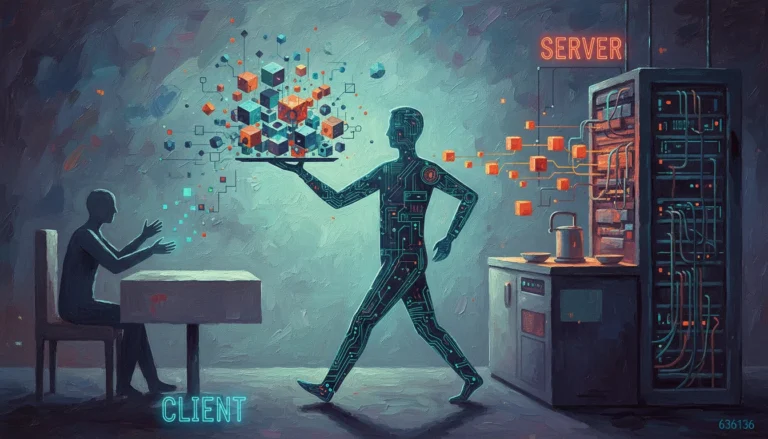
A VPN works by encrypting your data before sending it over the internet. This ensures that your information remains private and secure. When you connect to a VPN, your device communicates with a VPN server, which then accesses the internet on your behalf. This hides your location and maintains your privacy.
Types of VPN
There are different types of VPNs, each with its own characteristics and uses:
- Remote Access VPNsAllow users to connect to a private network from a remote location.
- Site-to-site VPNsThey connect entire networks to each other, usually used by companies to link different offices.
- Mobile VPNsDesigned for mobile devices, guaranteeing security on public networks.
Routers are essential for connecting devices to the Internet, ensuring network security and functionality.
Benefits of using a VPN
Data Protection
Using a reliable virtual private network (VPN) can be a safe way to surf the Internet. VPN security can offer IP protection and encrypt your traffic, ensuring that your personal information remains safe.
Online Anonymity
With a VPN, you can hide your location and maintain your privacy. This is essential for those who want to surf without being tracked, guaranteeing a greater level of anonymity online.

Access to Restricted Content
A VPN allows you to access content that may be blocked in your region. This includes streaming services, websites and other platforms that may have geographical restrictions. With a VPN, you can enjoy a faster internet without crashes and access what you want, wherever you are.
How VPNs Ensure Browsing Security
Using a reliable virtual private network (VPN) can be a safe way to surf the internet. VPN security can offer IP protection and hide your location while maintaining privacy. Understand how Virtual Private Networks guarantee security and privacy when remotely accessing corporate networks and browsing online. Explore how a VPN service offers its users greater security, safety and online protection with this introductory guide. Protect your Internet: learn how a VPN encrypts your traffic for private browsing and more anonymity online.
Choosing the Right VPN for Your Needs
Choosing the right VPN can seem complicated, but with a few criteria in mind, the task becomes easier. The security of a VPN depends on the provider you chooseSo it's essential to do your research before making a decision.
VPN for Secure Remote Access

To ensure a secure connection to corporate networks, a VPN is essential. It creates an encrypted tunnel that protects the data transmitted, preventing sensitive information from being intercepted by third parties. This is especially important for companies that need to protect confidential data.
The use of VPNs facilitates remote working, allowing employees to access company resources from anywhere in the world. With a VPN, it is possible to maintain the security and privacy of information, even when connected to public networks, such as in cafés or airports.
When traveling, a VPN offers an extra layer of security. When connecting to networks Wi-Fi VPN protects your data against possible attacks. This ensures that your personal and professional information remains safe no matter where you are.
Using a reliable VPN can be a safe way to surf the internet. VPN security can offer IP protection and guarantee the privacy of your data.
Combining VPN with Other Privacy Tools
VPN and Tor Browser
The combination of a VPN and Tor Browser, known as Onion over VPNoffers an extra layer of security. VPN encrypts your traffic and hides your IP address, while Tor forwards your data through several servers, making it almost impossible to track your online activities. This combination is ideal for those seeking maximum privacy.
VPN and Proxy
Using a VPN together with a proxy can further improve your privacy. While the VPN protects all your internet traffic, the proxy can be configured to protect only certain applications or browsers. This allows for more flexible and secure browsing.
VPN and Firewall
Integrating a VPN with a firewall is an excellent way to ensure that your internet traffic is always secure. The firewall acts as an additional barrier, blocking unauthorized access and protecting against external threats. Together, they form a robust defense against cyber attacks.
VPN performance and speed
Using a VPN can affect the speed of your internet connection. This is because the data has to pass through an additional server, which can cause a slight slowdown. Understand what Wi-Fi technology is and how it can influence the performance of your VPN.
To reduce slowdowns, choose servers that are geographically closer to you. In addition, opting for a VPN provider quality can make a big difference. Here are some tips:
- Choose nearby servers.
- Use faster connection protocols.
- Check the server load.
The choice of server is crucial to maintaining good speed. Overloaded or distant servers can slow down performance. Therefore, whenever possible, select servers with less traffic and closer to your location.
Security and Privacy on Different Devices
VPN on Smartphones
Using a VPN on smartphones is essential to ensure the security and data privacy. With the growing use of mobile devices to access the internet, protecting personal information is becoming increasingly important. A VPN helps to hide the user's IP address, making it more difficult to track online activity.
VPN on Computers
On computers, a VPN offers an additional layer of protection against cyber threats. As well as protecting the data transmitted, it also prevents third parties from monitoring browsing. This is especially useful when accessing public networks, where security is often compromised.
VPN on Routers
Set up a VPN directly in router can protect all devices connected to the home network. This is ideal for families or environments with multiple devices, ensuring that everyone is protected without the need to configure the VPN individually on each device. What's more, this configuration can help maintain the privacy and security of all users on the network.
Myths and truths about VPNs
Absolute safety
One of the biggest myths about VPNs is that they offer absolute safety. Although a VPN significantly increases security, it is not foolproof. It is important to combine the use of a VPN with other security measures, such as antivirus and firewalls, for more complete protection.
Complete anonymity
Another common myth is that a VPN guarantees complete anonymity. In fact, while a VPN hides your IP and encrypts your traffic, there are still ways in which your online activity can be tracked. Therefore, it is essential to be aware of the limitations and use other privacy tools when necessary.
Legality of VPN use
Many people believe that using a VPN is illegal. However, in most countries, VPN use is perfectly legal. There are exceptions, such as in some countries with more restrictive regimes, where VPN use may be prohibited. Always check local laws before using a VPN.
Risks and Limitations of VPN Use
Not all VPN providers are reliable. Some may record your online activities, which compromises privacy. Choosing a reliable provider is essential to ensure safety.
Even with a VPN, there are still vulnerabilities. Hackers can find ways to exploit flaws in the system. It's important to keep software updated to minimize risks.
Some VPN services may not work in certain countries due to government restrictions. This may limit access to specific content. Check the coverage of the service before subscribing.
Future of VPNs and Technological Trends
Evolution of VPN technologies
VPN technologies are constantly evolving. New encryption techniques and more secure authentication methods are being developed to ensure even greater protection. Integration with quantum internet promises to revolutionize communication, enabling faster and more secure data transmission globally.
Integration with other technologies
The trend is for VPNs to become increasingly integrated with other technologies, such as blockchain and artificial intelligence. This can result in more robust and efficient systems, offering an extra layer of security and privacy for users.
Predictions for the future
In the future, VPNs are expected to become even more accessible and easier to use. With the growing concern about online privacy, it is likely that more people will adopt the use of VPNs to protect their personal information and ensure safe browsing.
VPN for Secure and Private Internet Browsing: Conclusion
Using a VPN is an effective way of ensuring safe and private internet browsing. By encrypting your traffic, you protect your personal information and maintain your privacy. In addition, a VPN hides your IP address, making it difficult for third parties to track your online activities. Investing in a reliable VPN is therefore a smart choice for anyone who values security and privacy in the digital age.
Frequently Asked Questions
What is a VPN?
VPN stands for Virtual Private Network. It's a tool that creates a secure connection between you and the internet.
How does the VPN protect my data?
It encrypts your internet traffic, making it difficult for hackers or spies to see what you're doing online.
Can I access restricted content with a VPN?
Yes, a VPN allows you to access content that may be blocked in your region, such as certain websites or streaming services.
Does using a VPN make me completely anonymous?
Not completely. Although a VPN hides your IP and encrypts your data, other methods may be necessary for complete anonymity.
Are VPNs legal?
Yes, in most countries the use of VPNs is legal. However, it is important to check local legislation.
Does using a VPN affect internet speed?
There may be a slight reduction in speed due to encryption, but quality VPN services minimize this impact.
Can I use a VPN on any device?
Yes, most VPNs are compatible with smartphones, computers and even routers.
How do I choose the best VPN for me?
Consider factors such as security, speed, ease of use and reviews from other users when choosing a VPN.






 Portuguese
  English