
Graphene Transistors The End of Moore's Law
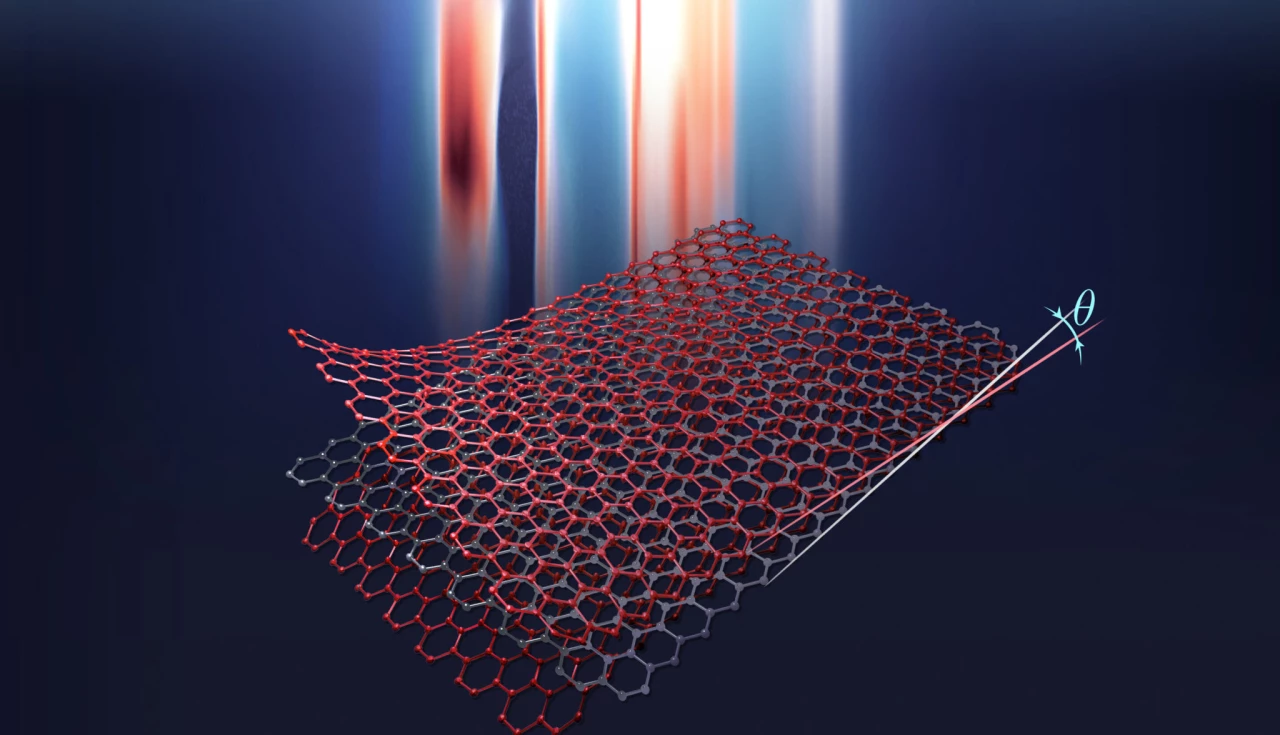
Graphene Transistors The End of Moore's LawMoore's Law, formulated in the 1960s by Gordon Moore, predicts that the number of transistors on a chip will double approximately every two years, increasing processing power and reducing costs. However, this prediction faces challenges as we approach physical limits. Graphene, a revolutionary material, is emerging as a possible solution to revitalize this law and continue technological evolution.
Key learnings
- Graphene has unique properties that make it superior to silicon in many transistor applications.
- The production of graphene nanoribbons is a technical challenge that needs to be overcome for commercial viability.
- The stability and durability of graphene transistors are areas of active research.
- The integration of graphene transistors with technologies is complex, but essential for its adoption.
- Graphene could help extend the validity of Moore's Law, but it faces competition from other emerging technologies.
The Graphene Transistor Revolution
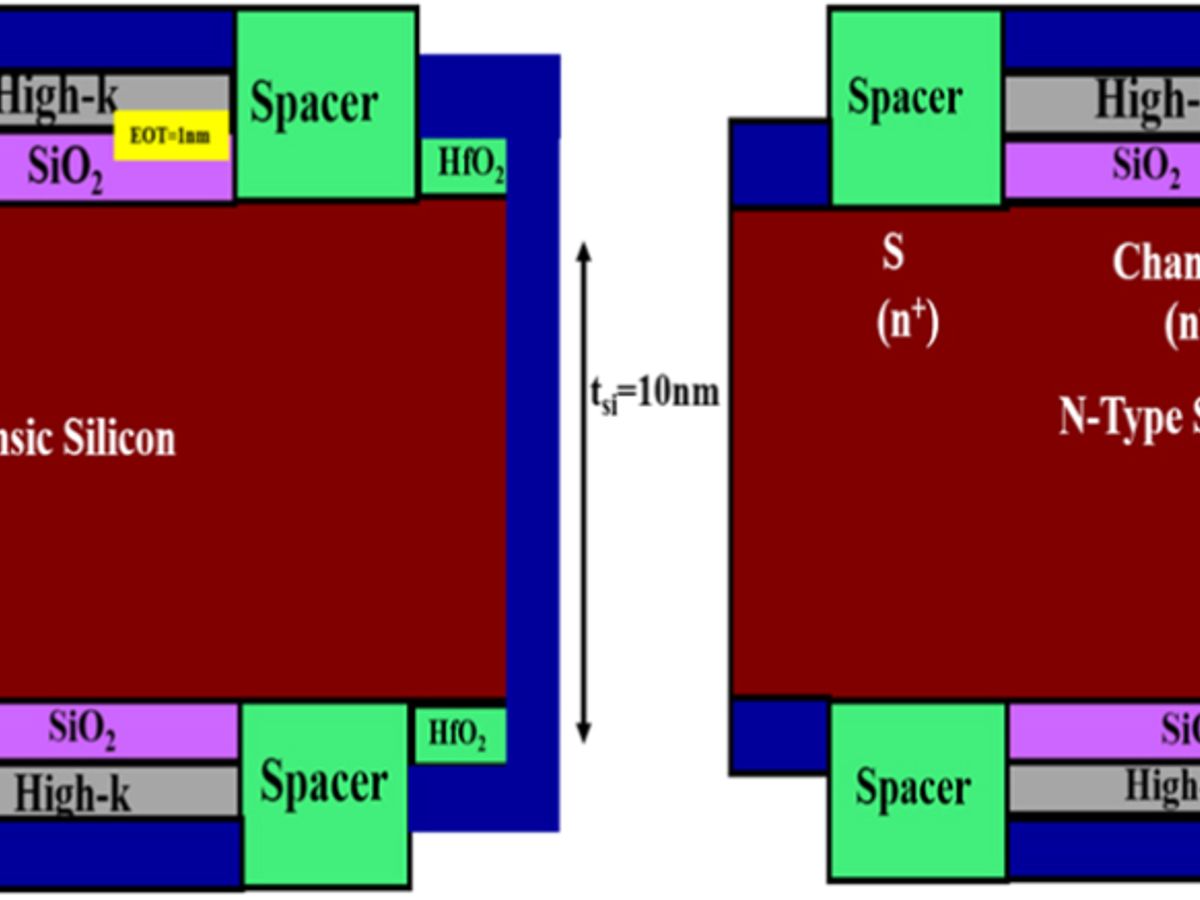
Graphene transistors are set to transform the microchip industry. GrapheneCarbon, a crystallized form of carbon, is made up of a single layer of atoms, which makes it an electrical superconductor at room temperature. This characteristic could revolutionize the way we build and use transistors.
What is graphene?
Graphene is a material made up of a layer of carbon atoms arranged in a hexagonal network. It is known for its strength, flexibility and excellent electrical conductivity. These properties make graphene an ideal candidate to replace silicon in various technological applications.
Advantages of Graphene over Silicon
Graphene offers several advantages over silicon, which is the material traditionally used in transistors. Among the main advantages are:
- High electrical conductivity: Graphene allows electrons to pass through much more efficiently than silicon.
- Flexibility: Unlike silicon, graphene is extremely flexible, which opens up possibilities for new forms of electronic devices.
- Resistance: Graphene is one of the strongest materials known, which increases the durability of the devices.
Potential Applications of Graphene Transistors
Graphene transistors have the potential to be used in a wide range of applications, including:

- Revolutionary graphene microchips promise increase the density of components by up to 10,000 times.
- Flexible electronic devices, such as folding screens and wearables.
- Highly sensitive sensors for use in medicine and other areas.
The 'straintronics' technique, as this innovation is called, consists of creating folds in the structure of graphene, transforming it into transistors. This could open up new frontiers in technology semiconductors.
Challenges in Implementing Graphene Transistors
Graphene transistors promise to revolutionize technology, but their implementation faces several significant challenges. Producing graphene nanoribbons is one of the main obstacles. Currently, scientists are only able to work with sheets of graphene, but in order to create smaller, more efficient transistors, it is necessary to use microscopic-sized ribbons. If this can be achieved, the density of these components in chips could increase by a factor of 10,000.
The stability and durability of graphene transistors are also important concerns. Graphene, being a crystallized form of carbon with only one layer of atoms, is an electrical superconductor at room temperature. However, ensuring that these transistors maintain their performance over time is a challenge.
Another critical point is integration with existing technologies. Replacing traditional transistors with graphene requires a significant adaptation in the architecture of computers and other electronic devices. This includes the evolution of nanotechnology and the creation of new architectures that can support graphene's unique properties.
Impact on Moore's Law
Current limitations of Moore's Law
Moore's Law, an empirical observation, suggests that the number of transistors on a chip doubles approximately every two years. However, this trend has faced significant challenges. The continuous miniaturization of components is becoming increasingly difficult due to the physical and material limitations of silicon. This directly affects the capacity for technological innovation and consumer behavior.

How Graphene Could Revitalize Moore's Law
Graphene, with its unique properties, offers a promising solution to overcome the limitations of silicon. Its high electrical and thermal conductivity, as well as its mechanical strength, could enable the creation of smaller, more efficient transistors. This could revitalizing Moore's LawThis will allow the trend towards miniaturization to continue for longer.
Future projections
If the technical challenges can be overcome, graphene transistors have the potential to transform the semiconductor industry. Projections indicate that, with the use of graphene, we could see a significant increase in the efficiency and capacity of electronic devices. This would not only prolong the relevance of Moore's Law, but also drive new technological innovations.
Comparison with Other Emerging Technologies
Quantum Computing
Quantum computing promises to solve complex problems much faster than traditional computers. This technology uses qubits, which can represent 0 and 1 at the same time, allowing for massively parallel calculations. However, it still faces challenges such as the stability of the qubits and the need for extremely low temperatures to operate.
Specialized Chips
Specialized chips, such as ASICs (Application-Specific Integrated Circuits) and FPGAs (Field-Programmable Gate Arrays), are designed for specific tasks, offering superior performance and energy efficiency. They are widely used in areas such as artificial intelligence and cryptocurrencies. The flexibility of FPGAs allows them to be reprogrammed for different applications, making them a versatile choice.
Other Promising Materials
In addition to graphene, other materials are being explored to replace silicon in transistors. These include molybdenum disulfide (MoS2) and phosphorene. These materials offer unique electronic properties that can overcome the limitations of silicon. Research into these new materials is intense, with the aim of finding viable alternatives for the next generation of semiconductors.
The search for new materials and technologies is essential to continue the evolution of computing and meet the growing demands for performance and efficiency.
Economic and Industrial Aspects
Cost of production
The production of graphene transistors still faces significant challenges in terms of cost. Large-scale manufacturing requires advanced technologies and high purity materials, which increases costs. However, as the technology advances, these costs are expected to decrease, making graphene a viable alternative to silicon.
Impact on the Semiconductor Industry
The introduction of graphene transistors could revolutionize the semiconductor industry. A miniaturization and the ability to operate at higher frequencies are just some of the advantages. This could lead to a significant increase in the efficiency and performance of electronic devices, positively impacting sectors such as computing and electronics.
Market adaptation
Adapting the market to new graphene technologies will be crucial. Companies will need to invest in research and development to integrate these new materials into their manufacturing processes. In addition, collaboration between industries and research centers will be vital to overcome technical and economic challenges.
Moore's Law has been a fundamental guide for technological development in the semiconductor industries. The introduction of graphene could revitalize this law, driving significant advances in several areas.
Recent advances and ongoing research
Recent Discoveries
In recent years, UFC researchers have stood out with publications in renowned journals such as "Nature" and "Science". This research into graphene is opening up new possibilities in various areas, from electronics to medicine. One of the most notable advances is the large-scale, high-purity production of graphene, which is essential for industrial applications.
Main Research Centers
Several research centers around the world are focused on developing graphene-based technologies. Institutions such as MIT, the University of Manchester and the University of São Paulo are at the forefront of this research. These centers are exploring everything from the production of graphene nanoribbons to their integration into electronic devices.
International collaborations
International collaboration is key to advancing graphene research. Joint projects between universities and companies in different countries are accelerating the development of new technologies. These partnerships allow for the exchange of knowledge and resources, making it easier to overcome technical and economic challenges.
Conclusion
Graphene transistors represent renewed hope for the continuation of Moore's Law. Although current technology faces significant challenges, such as extreme miniaturization and high costs, graphene is emerging as a promising alternative. It could enable the creation of smaller and more efficient transistors, potentially increasing the density of components by up to 10,000 times. However, it's important to remember that progress in computing doesn't just depend on hardware. Advances in software and new architectures also play a crucial role. So even if Moore's Law eventually reaches its limit, technological innovation will continue to drive the development of more powerful and efficient computers.
Frequently Asked Questions
What is graphene?
Graphene is a material made up of a single layer of carbon atoms arranged in a hexagonal pattern. It is known for its exceptional properties, such as high electrical and thermal conductivity, as well as being extremely strong and light.
What are the advantages of graphene over silicon?
Graphene has greater electrical and thermal conductivity, is thinner and lighter than silicon, and has the potential to create smaller, more efficient transistors. This could lead to faster electronic devices with lower energy consumption.
What are the main challenges in producing graphene nanoribbons?
The main challenges include the difficulty of producing high-quality graphene nanoribbons on an industrial scale and the need for production methods that are economically viable.
How can graphene impact Moore's Law?
Graphene could help revitalize Moore's Law by enabling the creation of smaller, more efficient transistors, which could increase the density of transistors on a chip and improve the performance of electronic devices.
What are graphene transistors?
Graphene transistors are electronic devices that use graphene instead of silicon to control the flow of electric current. They have the potential to be faster and more efficient than traditional silicon transistors.
What are the potential applications of graphene transistors?
Graphene transistors can be used in a variety of applications, including computers, smartphonesThis is due to its superior properties compared to silicon transistors.







 Portuguese
  English