
Space computing: how it will change everything!

Space computing: how it will change everything! In this article, you'll discover the fascinating world of spatial computing. Let's explore what it is, how it works and the technologies involved. You'll see how it connects with digital innovationchanges industries and brings many benefits.
We will also discuss the relationship between Artificial Intelligence e spatial computinghow all this improves the Edge Computing and the role of Internet of Things. Get ready to understand how space automation can transform your life!
Main conclusions
- A spatial computing will transform how you interact with the world.
- You will see changes in games and augmented reality.
- Your home can have devices that understand the space around them.
- This technology pode ajudar em áreas como health and education.
- The future will bring new job opportunities in spatial computing.
What is Spatial Computing and how does it work?
Definition of Spatial Computing
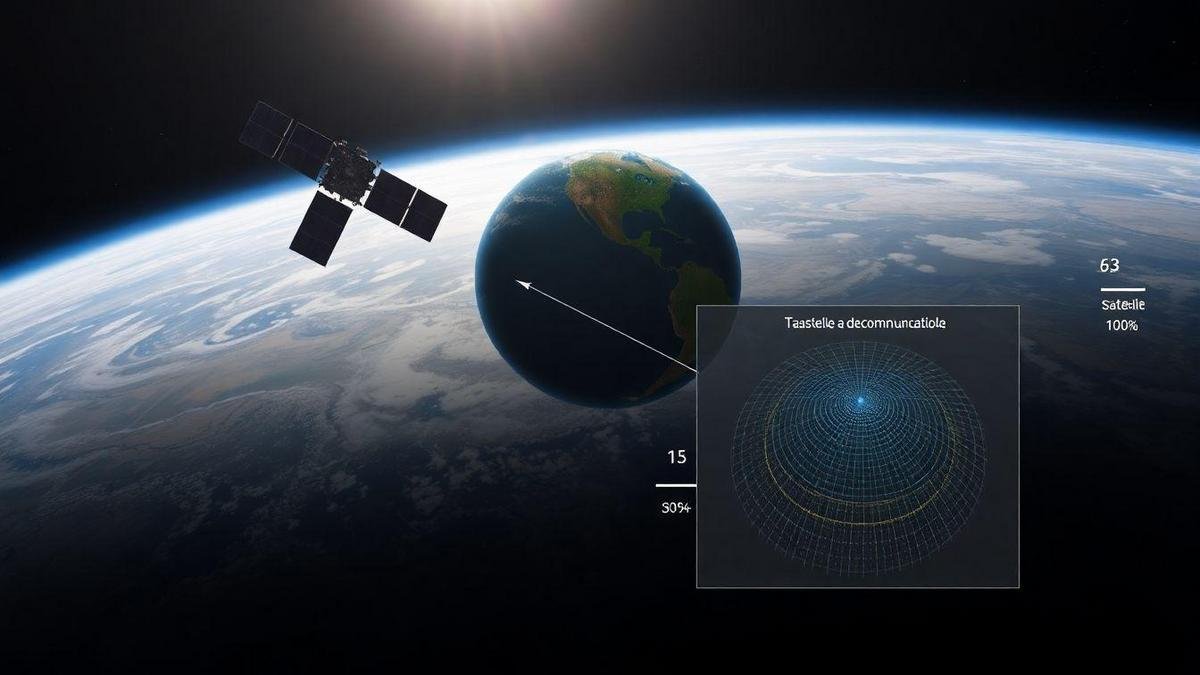
A Spatial Computing is a field that links technology with space. It involves using computers and systems to analyze and process data that comes from or has to do with space. Imagine you are exploring a new planet or monitoring the Earth from space.
A spatial computing helps you understand all this, allowing you to visualize and interpret complex information in a simpler way.
Space Technologies Involved
Several technologies are behind the spatial computing. Here are some of them:

- SatellitesThey collect data about the Earth and other celestial bodies, essential for communication and climate monitoring.
- SensorsThey capture precise information about the space environment, such as temperature and radiation.
- Software de AnálisePrograms that help process and interpret data, turning numbers into understandable images and graphs.
How Spatial Computing Integrates with Digital Innovation
A spatial computing is not an isolated island. It connects directly with the digital innovation. When you use map applications on your cell phone, for example, you are using data from satellites. This shows how spatial computing is present in their daily lives.
| Technology | Main function |
|---|---|
| Satellites | Collecting data from Earth and space |
| Sensors | Measuring environmental and spatial conditions |
| Analysis Software | Process data and create understandable visualizations |
The combination of these technologies creates a powerful network that transforms raw data into useful information. You can think of it like a big jigsaw puzzle, where each piece is crucial to seeing the whole picture.
Impact of Spatial Computing on Digital Transformation
Changes in Industries with Space Computing
A spatial computing is changing the way industries operate. From agriculture to healthcare, space technology is becoming an essential tool. Imagine a farmer using satellite data to monitor crops. This not only helps improve production, but also reduces waste.
In health, for example, spatial data can help track diseases in real time, allowing health authorities to act quickly. Thus spatial computing is not just a trend, but a necessity for many industries.

Benefits of Digital Transformation with Space Technologies
The benefits of digital transformation with space technologies are many. Here are some of them:
- Efficiency: Space technology allows companies to operate more efficiently.
- PrecisionWith more accurate data, decisions can be made with greater confidence.
- InnovationNew solutions are always emerging, making companies more competitive.
These benefits help companies to adapt quickly to market changes. With spatial computingyou can be one step ahead of the competition.
Examples of Success in the Application of Spatial Computing
Several cases show how spatial computing can be applied successfully. Here are some examples:
| Industry | Application | Results |
|---|---|---|
| Agriculture | Satellite crop monitoring | Increase in production in 20% |
| Health | Disease tracking | Faster response to outbreaks |
| Logistics | Delivery routing | Cost reduction by 15% |
These examples show how spatial computing can transform entire sectors, highlighting the importance of adopting these technologies for a more efficient and innovative future.
Artificial Intelligence and Spatial Computing
How AI Powers Spatial Computing
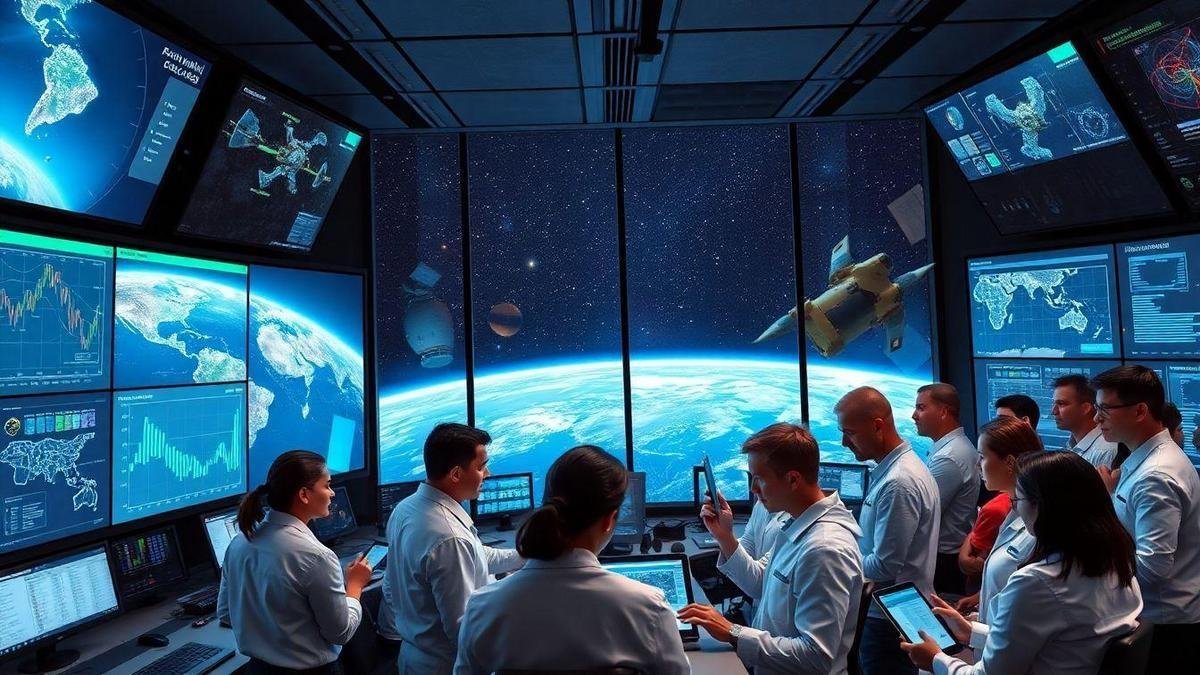
A Artificial Intelligence (AI) is revolutionizing Spatial Computing in ways you might not imagine. Imagine having machines that learn and adapt, making space exploration more efficient and safer. AI helps process large amounts of data, allowing scientists and engineers to make quick and accurate decisions.
For example, AI can analyze images of planets and moons, identifying characteristics that would be difficult for humans to perceive. This means that instead of spending hours analyzing data, you can get results in minutes!
AI Use Cases in Space Technologies
Here are some practical examples of how AI is being used in space technologies:
| Use Case | Description |
|---|---|
| Autonomous Navigation | Spaceships use AI to navigate without human intervention. |
| Data Analysis | AI processes data from telescopes and probes to identify new planets. |
| Predictive maintenance | Satellites use AI to predict failures and carry out maintenance before they occur. |
These uses show how AI not only facilitates space exploration, but also increases the safety and reliability of missions.
The Future of AI and Space Computing Together
The future looks bright! The combination of AI and Spatial Computing can take us to new frontiers. Imagine probes that can learn from your experiences and improve their missions in real time. Or satellites that communicate with each other to share information and improve coverage of the Earth.
A Space computing: how it will change everything! is not just a slogan; it's a reality in the making. As technology advances, you can expect innovations that will change the way we understand the universe.



Edge Computing and its Relationship with Spatial Computing
What is Edge Computing?
Edge Computing is a technology that brings data processing closer to where it is generated. Instead of sending everything to a data center This approach allows devices to process information locally.
This means less latency and faster responses. Imagine an autonomous car that needs to make decisions in fractions of a second. With Edge Computing, it can process data in real time, making journeys safer.
Advantages of Edge Computing in Spatial Environments
When we talk about spatial environmentsThe advantages of Edge Computing become even more evident. Here are some of them:
- Reduced latency: Communication with Earth can take time. Edge Computing allows spacecraft to process data locally, reducing the wait.
- Less Connection Dependency: On space missions, the connection to Earth can be unstable. With Edge Computing, operations can continue even without a strong signal.
- Energy Efficiency: Processing data locally consumes less energy, a valuable resource in space.
| Advantages of Edge Computing | Description |
|---|---|
| Reduced latency | Local processing for quick decisions. |
| Less Connection Dependency | Independent operation of weak signals. |
| Energy Efficiency | Lower energy consumption in critical environments. |
How Spatial Computing Improves Edge Computing
A spatial computing brings innovations that help Edge Computing work even better. For example, advanced sensors collect precise data, allowing local processing to be more effective.
In addition artificial intelligence (AI) can be integrated to analyze this data quickly, creating a feedback loop that continuously improves operations.
In short, the combination of Edge Computing and spatial computing is a real game changer. Can you imagine a future where these technologies work together to transform our exploration of space?

Internet of Things (IoT) and Spatial Computing
Connecting IoT and Space Technologies
A Internet of Things (IoT) is a technology that connects devices to the internet, allowing them to communicate and exchange data. When we talk about spatial computingWe are referring to the use of technology to collect, process and analyze data from space.
The connection between these two areas is fascinating! Imagine satellites collecting information about the weather and sending this data to sensors on Earth. This exchange of information helps predict natural disasters and improve agriculture.
Examples of IoT Applications in Spatial Computing
Here are some examples of how the IoT is being used in spatial computing:
| Application | Description |
|---|---|
| Climate monitoring | Satellites use IoT sensors to collect data on temperature and humidity. |
| Precision Agriculture | Connected sensors help farmers monitor soil and plant health. |
| Space navigation | IoT devices help navigate spacecraft and satellites. |
These examples show how technology can improve life on Earth and in space. By using the IoT, we can gain valuable information that can be used to solve complex problems.
The Role of Data Analysis in Spatial IoT
A data analysis is fundamental in spatial IoT. When devices collect data, it needs to be analyzed to make sense of it.
For example, climate data can be used to predict storms or droughts. Without good analysis, this data would just be worthless numbers. It's like having a map but not knowing how to read the directions.
Analysis helps turn raw data into useful information, allowing you to make informed decisions, whether in agriculture, water management or weather forecasting.
The Future of Automation with Spatial Computing
Trends in Space Automation
A spatial computing is changing the way we see automation. The trends Current trends show that we are increasingly integrating technologies that once seemed distant. Have you ever thought about how drones and satellites can automate everyday tasks? This is a reality that is already here!
Some of the main trends include:
- Autonomous dronesThey are being used to deliver packages, monitor agriculture and even map urban areas.
- Robots in factories: With the spatial computingThese robots are more intelligent and can work in complex environments, adapting to different situations.
- Smart satellitesThey collect data in real time, helping companies to make quick and accurate decisions.
How Spatial Computing Transforms Automated Processes
A spatial computing not only improves automation, but also transforms entire processes. Imagine a company that uses sensors in its products. These sensors send data to the cloud, where algorithms analyze the information. This means that the company can predict failures before they happen!
Here are some ways in which this is happening:
| Process | Before | Now |
|---|---|---|
| Machine monitoring | Manual inspections | Real-time monitoring |
| Logistics | Planning based on old data | Optimized routing with current data |
| Customer service | Manual answers | Chatbots that solve problems quickly |
The Impact of Automation on Everyday Life with Spatial Computing
Have you noticed how automation is present in your life? From virtual assistants in the home to navigation systems in cars, the spatial computing is shaping our daily lives. Imagine a world where everything is easier and faster.
A practical example is the use of personal assistants. They can schedule appointments, control devices at home and even shop online. This frees up your time so you can concentrate on the things that really matter.
In addition automation can help solve problems such as traffic in cities. With real-time data, it's possible to find faster routes and avoid traffic jams.
Conclusion
A spatial computing is a revolution that is about to transform your world in ways you can't even imagine! From virtual reality games and experiences even innovations in health and educationThis technology promises to improve your daily life.
With the help of Artificial Intelligence and Edge Computingyou'll see an increase in the efficiency and accuracy of the information you receive. And it doesn't stop there! A Internet of Things is also integrating into this new era, connecting devices and facilitating data exchange.
The future is bright and full of opportunities! Are you ready to embrace this transformation? Don't miss the chance to delve deeper into this fascinating subject. Visit Tech Byte Hub and find out more about how technology can impact your life!
Frequently asked questions
A spatial computing is a new way of using space data. It connects real-world information with technology. It could change everything we know!
You can see improvements in transportation, health and communication. With more accurate data, decisions will be easier and faster!
The benefits are many! It increases efficiency, reduces costs and improves safety. This means that your day-to-day life becomes simpler!
You've already seen it in map and navigation applications. But spatial computing can be found in many areas, such as agriculture and safety!
Yes, you will! New technologies create new jobs. You can learn and adapt to the changes. A spatial computing it can even open doors to new careers!


 Portuguese
  English